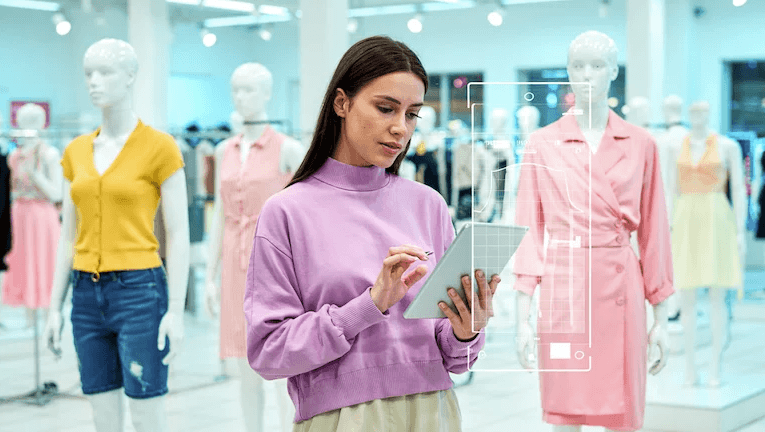
Digital Experiences in Fashion Retail
Digital experiences in fashion retail blend online and offline journeys into data-informed paths. Shoppable apps, AR, and personalization engines shape individual shopping narratives with opt-in consent and transparent governance. Omnichannel ecosystems enable seamless transitions across devices while store analytics translate behaviors into measurable outcomes. The framework rests on ethical AI and responsible data use, aiming to build trust and sustain growth. The potential to redefine customer empowerment and business vitality invites further exploration.
What Digital Experiences Really Mean in Fashion Retail
Digital experiences in fashion retail refer to the integrated, data-informed interactions that shape a shopper’s journey across online and physical channels.
The emphasis is on measurable outcomes: engagement, conversion, and loyalty.
This framework leverages store analytics to understand behaviors, while digital ethics ensures transparency, consent, and respect for privacy.
It empowers designers and retailers to craft freedom-centered, responsive, and responsible experiences.
Shoppable Apps, AR, and the Personalization Engine
Shoppable apps, augmented reality, and the personalization engine converge to turn traditional storefronts into highly responsive, opt-in experiences that shoppers can guide with intention. The data-driven approach scales preferences, enabling real-time recommendations and ethical considerations.
Shoppable apps, ar, personalization engine, ethics issues, frame a future where freedom to explore meets transparent consent, measurable outcomes, and responsible personalization.
See also: The Role of Validators in PoS Networks
Omnichannel Journeys: Seamless Transitions Across Devices
Omnichannel journeys unify shopping across devices by mapping a cohesive customer intent and translating it into consistent experiences, metrics, and opportunities for engagement. The objective is omnichannel consistency across touchpoints, enabling seamless cross device transitions and unified data trails. Wearable commerce and in store digital assistants extend the loop, empowering autonomous decisions while preserving user autonomy and a frictionless, freedom-driven retail narrative.
Measuring Impact: KPIs, Data, and Responsible AI in Fashion Tech
Measuring impact in fashion tech hinges on defining clear KPIs, robust data practices, and responsible AI governance that together translate consumer value into measurable outcomes. The approach emphasizes transparency, data governance, and bias mitigation to ensure fair, reliable insights. Stakeholders compare performance across channels, optimize experiences, and prioritize ethical AI. Outcomes center on user empowerment, measurable trust, and sustainable, data-driven growth.
Frequently Asked Questions
How Do Digital Experiences Influence In-Store Shopping Behavior?
Digital engagement influences in-store decisions by guiding product discovery, shaping perceived value, and triggering immediate purchases; experiential retail increases dwell time and satisfaction, while data-driven insights optimize layouts, staff interactions, and omnichannel alignment for freedom-seeking shoppers.
What Is the Cost Breakdown for Implementing Digital Fashion Tech?
Cost breakdown shows hardware, software, integration, and personnel caps; implementation timeline maps milestones, risk buffers, and testing windows. The data-driven view frames ROI, while user-centric clarity supports strategic decisions and freedom to scale digital fashion tech efficiently.
How Do Brands Protect Customer Data Across Channels?
Brands protect customer data across channels by enforcing data encryption and cross channel privacy, implementing unified access controls, and continuous monitoring; a data-driven, user-centric approach empowers consumers seeking freedom while reducing risk in omnichannel experiences.
Can Digital Experiences Boost Return Rates and Reduce Waste?
Digital experiences can boost return rates and reduce waste through digital sustainability and experiential customization, enabling precise product visualization, smarter sizing, and personalized recommendations—driving data-driven decisions that empower users seeking freedom and confidence in their choices.
What Are Emerging Trends in Fashion Tech for 2025?
Emerging trends in fashion tech for 2025 include immersive AR try-ons, AI-driven design, and blockchain provenance. Emerging technologies enable deeper consumer personalization, empowering users with autonomous shopping journeys while data-driven insights optimize efficiency, sustainability, and freedom to express individual style.
Conclusion
Digital experiences in fashion retail are reshaping how consumers shop, with data-driven personalization and seamless omnichannel journeys at the core. One striking stat: stores integrating AI-powered personalization see up to a 15-20% lift in conversion compared to non-personalized experiences. The era demands transparent governance, opt-in consent, and ethical AI to sustain trust. By centering user autonomy and measurable outcomes—engagement, loyalty, and sustainable growth—brands can unlock smarter, more humane shopping across devices and channels.